Common Risks of Neglecting Dead or Dying Trees in Your Yard
Trees provide numerous benefits for homeowners, from enhancing the aesthetic appeal of a property to improving air quality and offering shade and cooling benefits. However, not all trees remain healthy indefinitely. Dead or dying trees are a common issue in residential landscapes, and ignoring them can lead to a range of problems that extend beyond unsightly branches or leaves. Homeowners often underestimate the risks associated with these trees, treating them as a minor inconvenience rather than a serious concern that can affect safety, property value, and the overall environment of their yard. Left unmanaged, these trees can also disrupt local ecosystems, attracting pests or allowing disease to spread, which may compromise the health of surrounding vegetation and trees.
Recognizing the hazards of dead or dying trees is essential for proactive landscape management. Trees that are structurally compromised or infected with disease can pose significant threats to people, pets, and property. Moreover, delayed action can escalate removal costs and complicate preventive measures for neighboring trees. Early identification and professional intervention are key strategies that reduce long-term risks and protect the overall integrity of your yard. In this blog, we will explore the key risks associated with neglecting unhealthy trees, offering practical insights and expert reasoning to help homeowners make informed decisions. Understanding these risks is the first step toward creating a safer, healthier outdoor environment while preserving the long-term value of your property.
1. Safety Hazards to People and Property
Falling Branches and Structural Collapse
One of the most immediate risks of a dead or dying tree is the potential for branches or the entire tree to fall. Trees with weakened trunks, rotting wood, or extensive fungal growth are particularly susceptible to sudden collapse, especially during high winds or storms. Falling limbs can damage vehicles, rooftops, fences, and other structures, creating unexpected repair expenses for homeowners.
For example, a large oak tree suffering from internal decay may appear healthy on the surface, but its core could be compromised. During a storm, even a minor gust of wind can cause branches to break and fall unpredictably. In neighborhoods where homes are closely spaced, one neglected tree can become a hazard for multiple properties.
Risk of Injury to Residents and Visitors
Beyond property damage, dead or dying trees pose serious safety risks to individuals. Branches falling in yards, driveways, or play areas can cause significant injury, ranging from bruises to severe fractures. Children and pets are especially vulnerable because they often play under or around trees without awareness of the potential danger.
Preventive tree maintenance, including regular inspections and removal of dead or diseased branches, significantly reduces the likelihood of injury. Engaging a professional arborist ensures that all risks are properly assessed and mitigated before a structural failure occurs.
2. Spread of Disease and Pests
Fungal and Bacterial Infections
Dead or dying trees can act as breeding grounds for fungi and bacteria, which may spread to nearby healthy trees. Common diseases such as oak wilt, powdery mildew, and root rot can compromise the health of surrounding vegetation, ultimately threatening the stability and aesthetic quality of an entire yard.
Fungal infections often begin internally, with no visible external symptoms until the tree is in advanced decline. Ignoring early signs like leaf discoloration, premature leaf drop, or cracked bark allows pathogens to proliferate. This not only affects the infected tree but also increases the likelihood of infection spreading to other valuable landscape trees.
Pest Infestations
In addition to diseases, dead and dying trees attract insects such as beetles, termites, and borers. These pests feed on weakened wood and can multiply rapidly, spreading to healthy trees, wooden structures, or even the home itself. For instance, the emerald ash borer has devastated countless ash trees across the United States, with infestations often beginning in neglected or dying trees.
Proactive monitoring and timely removal of affected trees help limit pest populations and protect both the landscape and structural assets of the property. Regular inspection by a certified arborist provides homeowners with expert guidance on early intervention measures.
3. Environmental and Landscape Impact
Negative Effects on Soil and Nearby Plants
While dead trees may seem harmless after they stop growing, they can disrupt the local ecosystem. Decomposing trees alter soil composition and drainage patterns, potentially affecting nearby plants. In some cases, root decay can lead to soil instability, increasing the risk of erosion or shifting landscapes.
Additionally, the slow breakdown of a large dead tree can monopolize nutrients that would otherwise support healthy vegetation, limiting the growth of flowers, shrubs, or smaller trees in your yard. A single neglected tree can therefore impact the overall vitality and visual appeal of the entire landscape.
Fire Hazard Considerations
Dry, dead wood is highly combustible, making neglected trees a fire hazard, particularly in areas prone to wildfires or drought conditions. Sparks from nearby activities, lightning strikes, or even concentrated sun rays can ignite dry limbs, putting the home and surrounding properties at risk. Maintaining proper clearance, pruning, and removal of dead trees reduces fire hazards significantly.
Landscaping strategies that prioritize the timely removal of high-risk trees contribute to a safer, more resilient property and protect investments in other plants or structures.
4. Financial and Legal Risks
Increased Property and Insurance Costs
Neglecting dead or dying trees can result in costly repairs or replacements. Insurance companies may hold homeowners partially liable if an unattended tree causes damage to structures, vehicles, or neighboring properties. In some cases, insurers may even increase premiums or deny claims if it is determined that tree maintenance was neglected.
Proactive tree management, including routine inspections and professional removals, often reduces the likelihood of expensive claims. Additionally, maintaining a healthy yard preserves property value, as potential buyers are less inclined to purchase a property with visible tree hazards.
Liability Concerns
Homeowners can face legal consequences if a neglected tree causes injury to visitors or damages public property. Local ordinances may require tree maintenance along sidewalks or streets, and failure to comply can result in fines or legal action. Even seemingly minor trees can pose a liability risk if they obstruct views, drop large branches, or compromise structural safety in public areas.
Documenting regular tree care, hiring licensed arborists, and addressing known hazards promptly are best practices for minimizing legal and financial exposure.
5. Best Practices for Managing Dead or Dying Trees
Regular Tree Inspections
Scheduled inspections by certified arborists are the cornerstone of effective tree management. Professionals can identify early signs of disease, pest infestation, or structural weakness that may not be visible to the untrained eye. These inspections often include soil testing, trunk and root analysis, and evaluation of crown health.
Timely Pruning and Removal
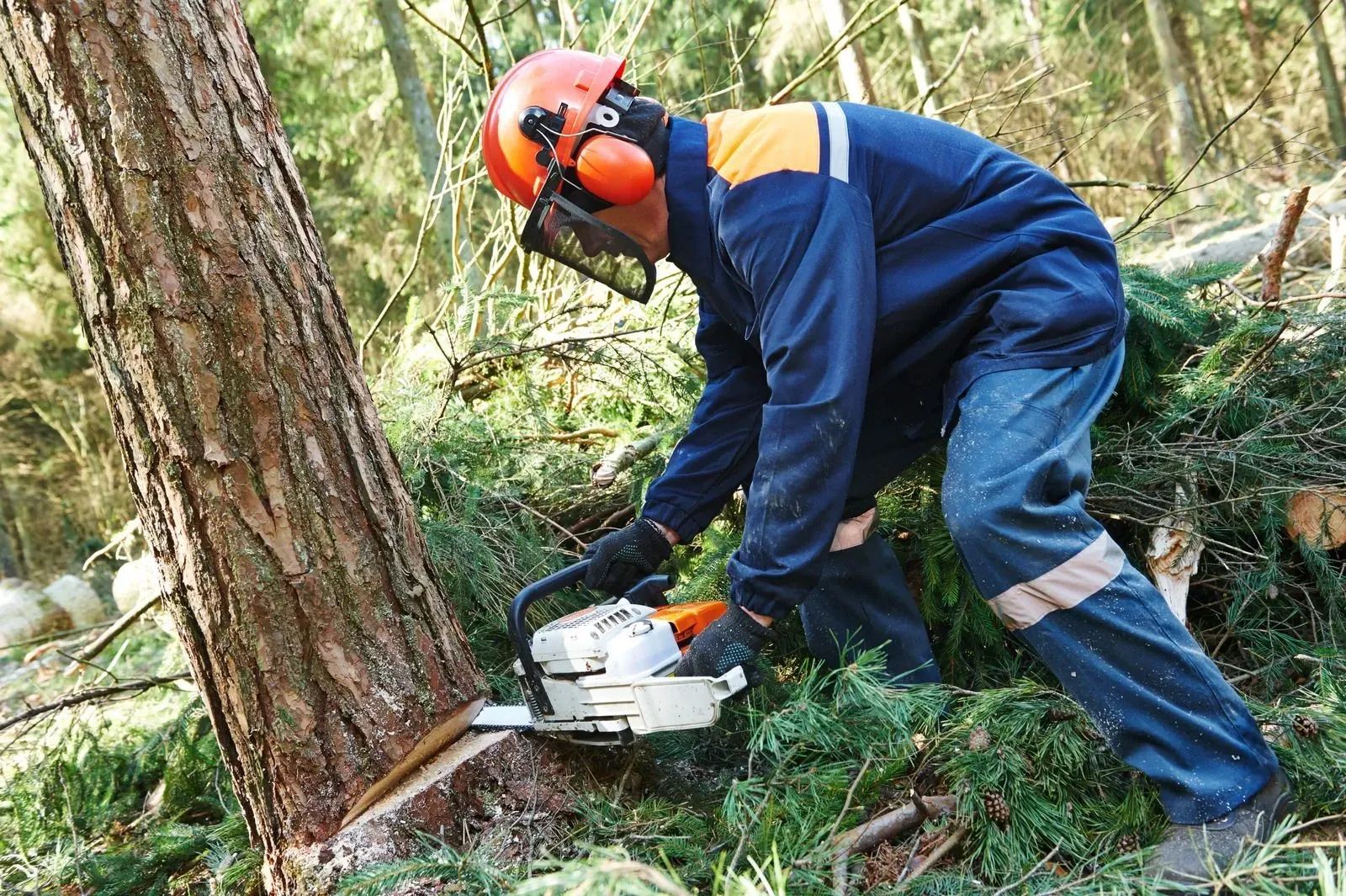
Proactive pruning helps remove hazardous branches before they cause damage, while complete tree removal may be necessary for trees that are beyond recovery. Removing dead or dying trees safely requires specialized equipment and expertise to prevent injury or property damage.
Preventive Care for Healthy Trees
Maintaining overall tree health reduces the likelihood of trees becoming dead or dying in the first place. Practices such as proper watering, mulching, fertilization, and disease prevention strengthen trees’ natural resistance to stress, pests, and environmental challenges. Establishing a regular maintenance schedule enhances both the aesthetic appeal and long-term safety of the landscape.
6. Real-World Examples Highlighting Risks
Case Study: Storm Damage
A homeowner in a suburban area neglected a dying maple tree in their front yard. During a severe storm, a large limb broke off and landed on a parked car, causing thousands of dollars in damage. The incident highlighted the hidden risks that even seemingly minor tree neglect can present, reinforcing the importance of preemptive removal.
Case Study: Pest Infestation Spread
In another instance, a dead oak tree served as a host for bark beetles, which quickly spread to neighboring pine trees. Within two seasons, multiple trees in the yard exhibited declining health, resulting in significant replacement costs. Prompt removal of the original infected tree could have prevented the widespread infestation.
These examples underscore that dead or dying trees are not merely an aesthetic issue—they are a tangible threat to safety, finances, and environmental integrity. Homeowners who act early benefit from safer properties, healthier landscapes, and reduced long-term expenses.
Trusted Tree Care Experts Protecting Your Property Today
Neglecting dead or dying trees in your yard can lead to serious safety hazards, structural damage, the spread of disease and pests, environmental disruption, and financial or legal consequences. Timely identification and management of these trees are essential for protecting both people and property. Regular inspections, proper pruning, and professional removal are proven strategies that safeguard your landscape while preserving property value and neighborhood safety.
For homeowners in Bastrop, Fayette, and Lee County, TX, Lost Pines Tree Service
offers over 20
years of expert experience in
tree care and removal. Our team combines in-depth knowledge with professional equipment to assess tree health accurately, execute safe removals, and provide preventive solutions that maintain the vitality of your yard. Trusted by local residents and businesses alike, we prioritize safety, efficiency, and environmental responsibility. Choosing Lost Pines Tree Service
ensures that your property is protected from the risks associated with dead or dying trees while enhancing the overall beauty and resilience of your landscape.