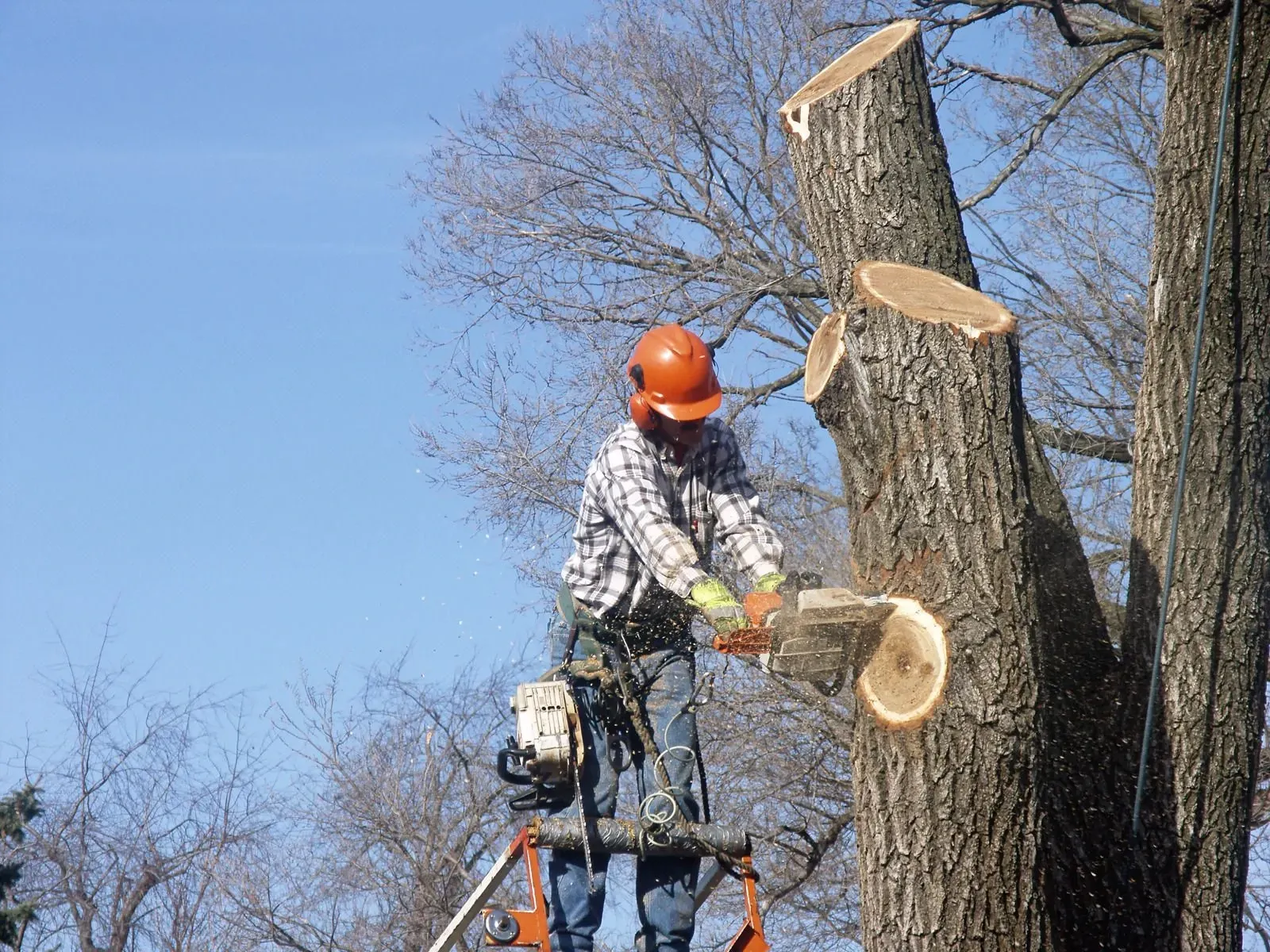
Signs Your Tree May Be Dangerous and Needs Removal
Trees are invaluable assets to our landscapes, offering shade, enhancing property aesthetics, improving air quality, and supporting local ecosystems. Their presence provides comfort, environmental benefits, and an overall sense of well-being. However, trees are living organisms, and like all living things, they are susceptible to decay, disease, and damage over time. Ignoring these issues can lead to serious safety hazards, including falling branches, structural collapse, and even damage to homes or vehicles. Recognizing early warning signs that a tree may pose a risk is critical for maintaining a safe and attractive environment. For property owners, landscapers, and municipal managers, understanding tree health indicators is not only a matter of aesthetics but also one of safety and liability prevention.
Identifying hazardous trees requires careful observation and knowledge of common warning signs. Certain visual cues, unusual growth patterns, or changes in a tree’s environment can indicate instability. Regular tree assessments help prevent accidents and minimize costly repairs resulting from unexpected tree failures. By learning how to detect these signs early, homeowners and property managers can take proactive measures to either treat or safely remove at-risk trees. This article explores the key indicators of dangerous trees, providing actionable insights to protect people, property, and the surrounding ecosystem.
1. Structural Weaknesses in Trees
Cracks and Splits in the Trunk
One of the most visible signs that a tree may be dangerous is the presence of cracks or splits in its trunk. Cracks can form from internal decay, improper pruning, or environmental stress such as wind or heavy snow. Deep vertical splits often indicate internal structural weakness, while horizontal cracks can suggest pressure from external forces or compromised stability. Trees with significant cracking are prone to sudden failure, particularly during storms or high winds.
For example, a mature oak tree in a residential yard may appear healthy, but a split running from the base upward can weaken its structural integrity. Ignoring this can result in branches or the entire tree falling unexpectedly. Homeowners should monitor cracks regularly, as even small splits can widen over time. Consulting an arborist to evaluate the severity of cracks is often the safest course of action.
Leaning Trees and Root Issues
A tree that leans significantly may indicate root instability or uneven growth patterns. While minor lean is natural in some species, a sudden or severe lean can be a warning of potential danger. Soil erosion, root damage, or a shallow root system often contributes to leaning trees. If the lean appears to be increasing over time, the tree may eventually topple.
Real-world scenarios include leaning pine trees in residential lots after heavy rains or construction activities that disturb the root system. Observing soil movement, exposed roots, or cracks near the tree base can help determine whether the lean is a structural concern. Regular inspections, particularly after severe weather, are essential for mitigating risk.
2. Signs of Disease and Decay
Fungal Growth and Mushrooms
Fungi growing on or near a tree are a clear indicator of decay. Mushrooms, shelf fungi, or conks are often signs that the wood is decomposing internally. Fungal colonization weakens the tree’s structure and can eventually lead to failure. While some fungi are harmless, the presence of large, woody fungi usually requires professional assessment.
For instance, a maple tree with shelf fungi on its lower trunk may seem visually fine but could have significant internal rot. Ignoring fungal growth can increase the risk of sudden branch or trunk collapse. Preventative measures include removing affected branches, improving soil health, and, if necessary, tree removal.
Dead or Dying Branches
Branches that are dead, brittle, or covered in disease can pose serious safety hazards. Dead branches are more likely to fall during storms or high winds, potentially causing injury or property damage. The presence of multiple dead branches often indicates systemic problems within the tree, such as infection, pest infestation, or internal decay.
An example is a large elm tree with several upper branches that have turned gray and dry. Even if the main trunk appears healthy, dead branches are inherently unstable. Regular pruning of deadwood and timely evaluation by certified arborists help prevent accidents and preserve overall tree health.
3. Pest Infestation
Signs of Insect Damage
Trees under attack by insects often display telltale signs that indicate danger. Bark beetles, borers, and other wood-boring insects can compromise structural integrity by tunneling through wood, causing internal decay. Small holes in the bark, sawdust-like frass at the base, or oozing sap are common indicators of infestation.
A real-world example includes ash trees affected by the emerald ash borer. These trees may have declining foliage, bark splitting, and dieback in the crown. Left untreated, infestation can rapidly weaken the tree, increasing the risk of collapse. Early detection is key to preventing both spread and property damage.
Impact on Tree Stability
Infested trees often show structural weaknesses long before they become visibly hazardous. Pests can accelerate decay, making branches brittle and the trunk unstable. Trees weakened by insects pose risks not only to property owners but also to surrounding vegetation and infrastructure. Professional pest management or removal may be necessary to maintain safety.
4. Environmental Stressors
Storm Damage and High Winds
Severe weather events are significant contributors to dangerous trees. Storms, heavy rainfall, snow, or ice can damage branches, roots, and trunks, increasing instability. Even healthy trees can become hazardous when subjected to repeated environmental stress. Observing recent damage, such as broken branches or leaning trees after a storm, is crucial for timely intervention.
For example, after a winter ice storm, several pine trees in a neighborhood developed cracked limbs and partial uprooting. Immediate removal of unstable trees prevented potential property damage and injuries. Regular post-storm inspections help homeowners assess risk and determine necessary action.
Soil Compaction and Poor Drainage
Environmental factors such as soil compaction and inadequate drainage can contribute to weakened root systems. Roots deprived of oxygen or trapped by compacted soil are less able to anchor the tree. Similarly, waterlogged soil reduces stability and increases susceptibility to disease. Homeowners and property managers should observe soil conditions around mature trees, especially if construction or landscaping activities have recently occurred.
5. Rapid Growth or Unusual Changes
Unexpected Bark Shedding
Bark shedding or peeling can indicate underlying health issues. While some trees naturally shed bark, rapid or irregular peeling can be a warning of disease or stress. For instance, cherry trees that exhibit sudden bark loss may be suffering from fungal infections or internal rot.
Abnormal Leaf Patterns
Changes in foliage, including discoloration, wilting, or sparse growth, often suggest that a tree is under stress. Environmental stress, disease, or pest infestation can all manifest through leaf abnormalities. A tree losing leaves outside its normal cycle or showing patchy foliage may have internal issues that compromise stability.
6. Best Practices for Risk Assessment
Regular Inspections
Routine tree inspections are crucial for identifying dangerous conditions early. Property owners should evaluate trees seasonally, checking for cracks, decay, dead branches, and pest activity. Using professional arborists ensures accurate assessment and helps prioritize treatment or removal.
Professional Consultation
Not all hazards are visible to the untrained eye. Certified arborists use specialized tools and expertise to detect hidden weaknesses. Consulting professionals can provide actionable recommendations, including pruning, treatment, or complete removal, minimizing liability and ensuring safety.
Preventative Care
Proactive care, including proper pruning, soil management, pest control, and disease prevention, can extend a tree’s life while reducing the risk of dangerous situations. Preventative measures also improve the tree’s aesthetic and ecological value, balancing safety with environmental benefits.
Recognizing Potentially Dangerous Trees Early
Understanding the warning signs of dangerous trees empowers property owners to take preventative action. Trees with structural weaknesses, disease, pest infestations, or environmental stressors pose real risks to people and property. Acting early—through professional evaluation, pruning, or removal—can prevent accidents and maintain a safe landscape. Regular monitoring and a proactive approach to tree health are essential strategies for mitigating risk and safeguarding homes, commercial spaces, and public areas.
Skilled Tree Professionals Delivering Safe Removal Services
Trees are essential elements of the landscape, but their presence comes with responsibilities. Recognizing signs of structural weakness, decay, disease, pest infestation, and environmental stress is key to preventing accidents and protecting property. Early detection, proactive care, and professional evaluation provide the most reliable means of managing tree hazards safely. By understanding these warning signs, property owners can make informed decisions to address dangerous trees before they become liabilities.
Lost Pines Tree Service, located in Bastrop, Fayette, and Lee County, TX, has over 20
years of experience in assessing, maintaining, and safely removing hazardous trees. Our team is dedicated to providing expert, reliable, and professional services tailored to the unique challenges of tree management in Texas landscapes. We combine advanced equipment with industry knowledge to evaluate tree health accurately and implement the most effective solutions. From identifying structural weaknesses and disease to managing pest infestations and environmental stressors, Lost Pines Tree Service
ensures that your property remains safe, attractive, and sustainable. Trust our experienced professionals to provide personalized care, clear recommendations, and safe
tree removal
or treatment, keeping your home and community protected while preserving the beauty and ecological value of your landscape.